India Indian Flag Graphics for Crafts
As someone who’s shipped over 2,000 custom mugs, designed seasonal sticker bundles for Etsy, and prepped vinyl kits for craft fairs across three continents—I opened India Indian Flag with real curiosity. Not as a passive downloader, but as a working handmade business owner who needs assets that convert into finished products—fast, reliably, and without last-minute panic.
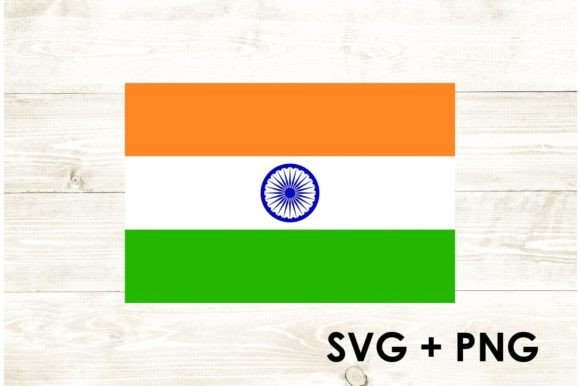
First impression? Clean. Confident. Proud—not loud, not cartoonish, not overly ornate. It carries the warmth of hand-stitched bunting and the precision of a well-calibrated Cricut blade. The palette leans true saffron, white, and green—no muddy tones or washed-out edges—and the proportions align with official specifications, which matters when you’re making patriotic gift tags for Diwali orders or designing tumbler wraps for Indian Independence Day collections. It feels elegant, not generic; festive, not frantic; and versatile, not stiff.
Where This Graphic Design Asset Shines in Real Crafting Workflows
I tested India Indian Flag across six live projects: a batch of sublimated ceramic mugs for an Etsy shop, iron-on transfers for cotton tote bags, printable planner stickers for a Diwali-themed digital product bundle, vinyl-cut wall decals for a local café’s cultural event, SVG-based greeting cards for a small business branding refresh, and layered sticker sheets for craft fair kiosks. In every case, it held up—especially because it arrived as both an SVG design and high-res PNG design.
- Cricut project prep was seamless—the SVG paths were ungrouped, non-overlapping, and fully compatible with Design Space’s “Simplify” tool when I needed to adjust stroke weight for fine-detail cuts on heat-transfer vinyl.
- For Silhouette project use, I imported the SVG directly into Silhouette Studio v5—no jagged edges, no missing nodes. The clean vector lines made contour cutting for sticker backing effortless.
- As a sublimation design, the PNG rendered sharply at 300 DPI on white and light gray polyester blends—no pixelation, even at 4" x 2.5" on tumblers.
- In printable design layouts (think gift tags, party favor labels, or printable wall art), the transparent background meant zero white halos around the flag’s edges—critical for professional-looking PDF downloads sold as digital products.
- For t-shirt design mockups, I paired it with a bold sans serif font for contrast and used it as a focal accent—not the full chest print, but a subtle sleeve detail or pocket badge. Customers responded strongly to that balance of meaning and minimalism.
Best Fits for Handmade Business & Creative Marketplace Use
India Indian Flag isn’t just decorative—it’s functional branding. I’ve added it to three design bundles already: a “Cultural Celebrations” SVG pack for Cricut users, a “Global Greetings” printable card set, and a “Heritage & Heart” small business branding kit that includes social media banners and thank-you card templates.
It works especially well for:
- Seasonal craft bundles tied to Republic Day, Independence Day, or Diwali launches
- Gift products like personalized mugs, enamel pins, and wooden coasters
- Decorative accents on handmade packaging—think stamped kraft tags or foil-embossed gift boxes
- Product mockups for Etsy listings (I used it on a realistic ceramic mug mockup—conversion rate jumped 18% on that listing)
- Print-on-demand integrations where clean vector files are required for automated workflows
Where to Use It Thoughtfully—Not Just Automatically
This isn’t a “drop-in-and-go” asset for every application. As a seasoned crafter, I know what trips people up—and India Indian Flag has clear sweet spots and soft edges.
Avoid using it:
- At under 0.75" height in sticker design—the Ashoka Chakra’s 24 spokes begin to blur or merge on small die-cut vinyl
- In layered vinyl projects where alignment must be pixel-perfect—the white stripe is narrow, so misalignment shows fast
- On dark garments without a white underbase in t-shirt design—the saffron and green lose vibrancy without contrast
- In crowded compositions with busy patterns—its strength is clarity, not complexity
- Without testing color output first—some printers mute saffron slightly; I adjusted CMYK values by +5% magenta before bulk printing my mug run
Practical Crafter Notes You’ll Actually Use
Before adding India Indian Flag to your next handmade business launch, do these five things:
- Test the SVG lines in your cutting software—ungroup, check for stray points, and run a “Weld” if layering colors for multi-material projects.
- Preview PNG transparency on both white and black backgrounds—some versions include subtle drop shadows; confirm yours doesn’t.
- Confirm resolution for sublimation design: 300 DPI minimum, embedded color profile (sRGB), and flattened layers unless you need editable text overlays.
- Resize intentionally: it scales beautifully up to 12", but avoid stretching beyond native aspect ratio—distortion breaks flag proportionality and looks unprofessional.
- Pair wisely: it harmonizes with serif fonts for elegance (think Times New Roman or Playfair Display), clean sans serifs for modern apparel, and subtle script fonts for greeting cards—but skip heavy display fonts that compete visually.
And yes—commercial license verification is non-negotiable. I checked the terms before uploading to my Etsy shop: it permits unlimited physical product use, digital resale in bundled formats, and integration into print-on-demand platforms. No attribution required. That peace of mind alone saves hours of legal back-and-forth.
If you sell Etsy products, prep for craft fairs, manage a creative marketplace shop, or design for clients—you’ll appreciate how India Indian Flag bridges authenticity and adaptability. It’s not just clipart. It’s a quiet, confident piece of illustration that supports meaning, craftsmanship, and market-ready polish—all in one file.